


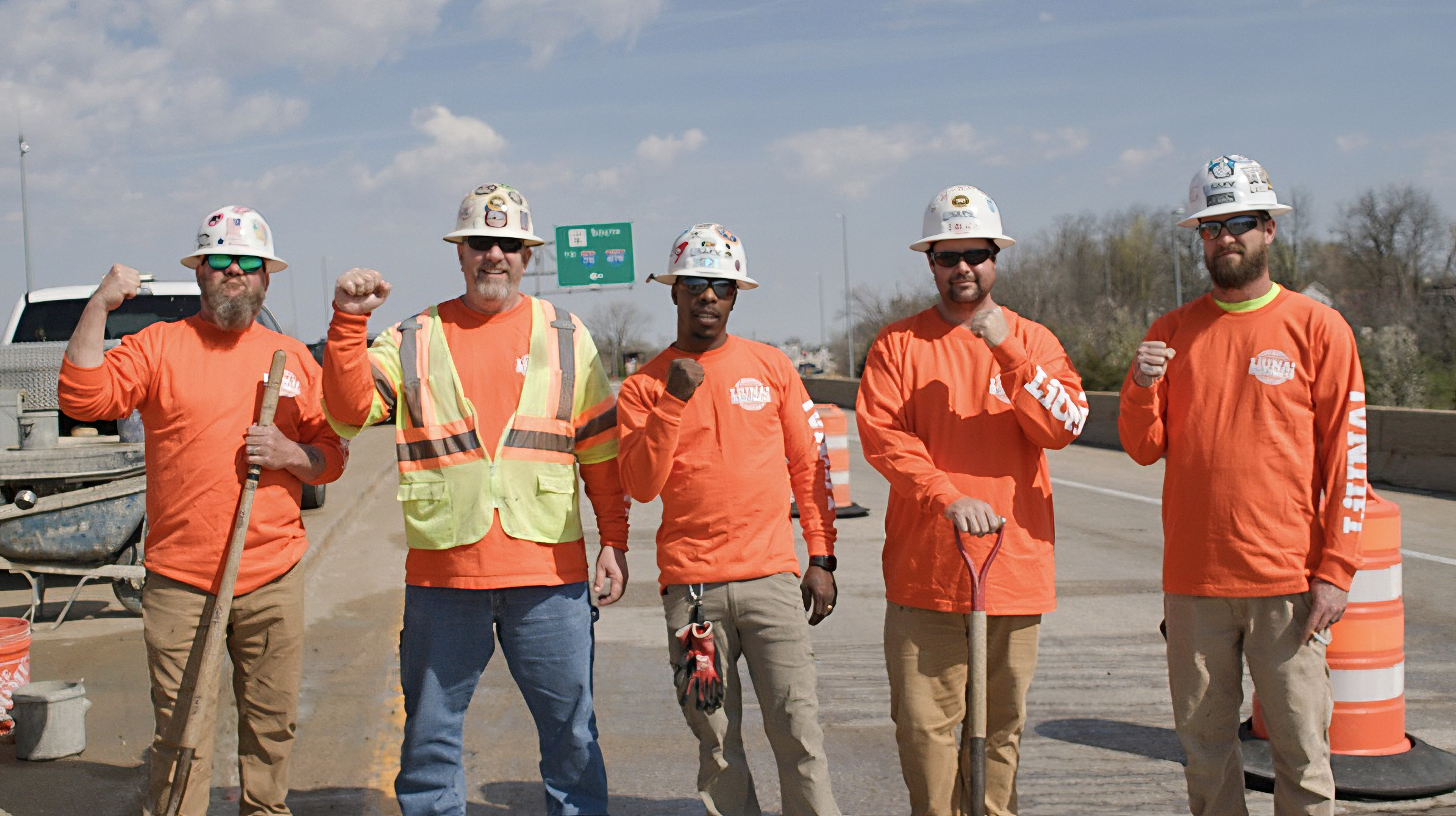
National Work Zone Awareness Week 2026
As far as trends go, this isn’t a good one. In 2022, according to the U.S. Department of Transportation, there were 96,000 total work zone crashes.
In 2023, 5,000 was added to that number – a jump to 101,000.
Now the good news is there was a small dip in work zone fatalities in that time span, from 903 to 899. And each of those four lives is tremendously important, but we can still do better, all of us, at spreading the word about slowing down in work zones and doing so ourselves.
The value-added message is a simple one for motorists, but it’s one many drivers are unaware of – the plain truth is that speeding or driving unsafely through a work zone is statistically more dangerous to motorists than the highway worker (who, make no mistake, are in a hazardous position themselves). The vast majority of people killed in work zone crashes (705 in 2022) are drivers and their passengers. In fact, a study by the Associated General Contractors of America found work zone crashes are nearly three times as likely to result in fatalities to drivers or passengers as construction workers.
Work zones remain dangerous even when road crews aren’t present on the work site. A crew-free work zone might give drivers an excuse to ignore safety laws, but they still might have to navigate temporary changes in road conditions, including uneven surfaces, narrower lanes, or unexpected obstacles. Also, they may encounter sudden changes in traffic patterns or lane configurations.
And who hasn’t seen drivers speed right up to the point where workers are present, then quickly reduce speed? What these motorists might not understand is that the greatest dangers to drivers are often found in the mile leading up to the work zone (aka the advance warning area). Speed demons may find that traffic suddenly slows or stops, or lanes may narrow with little warning.
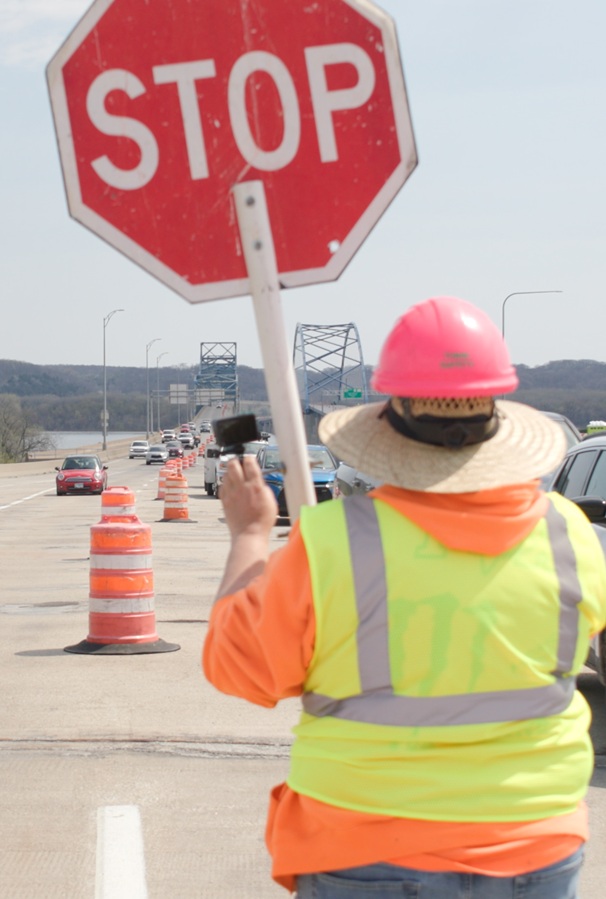
These back-of-queue traffic stoppages can grow quickly – up to a rate of a mile of queued traffic every two minutes, according to The American Traffic Safety Services Association. This creates a very unpredictable and dangerous situation for drivers who choose to push the limits and risk a rear-end collision (the most common crash pattern in work zones).
The pay-off isn’t worth taking a chance for you or your riders; a study by the Indiana Department of Transportation found that driving at 65 mph versus 45 mph through a two-mile work zone only “saved” drivers one minute, but obviously exposed them to injury or worse. It’s just not worth it.
National Work Zone Awareness Week (NWZAW) is April 20-24, 2026, with activities and commemorative events happening every day of that week. This is the 26th anniversary of NWZAW, and events will include a training day, a national press conference, Go Orange Day on Wednesday of that week, a social media “storm” on Thursday, and a nationwide moment of silence on Friday, April 24.
Also on that Friday, volunteers from the LIUNA Midwest Region will participate in a Public Awareness Campaign at rest areas and highway visitor centers across Illinois. Volunteers will wear orange and distribute work zone safety information to motorists.
“We can all play a part,” said LIUNA Vice President and Midwest Regional Manager David A. Frye. “Slow down, pay attention, and put the damn phone down – those notifications can wait. We all want to get home safe and, most importantly, alive.”